 604 465 4322
General Store Site 12294 Harris Road Pitt Meadows, B.C.
Click Here for Directions& Visiting Hours



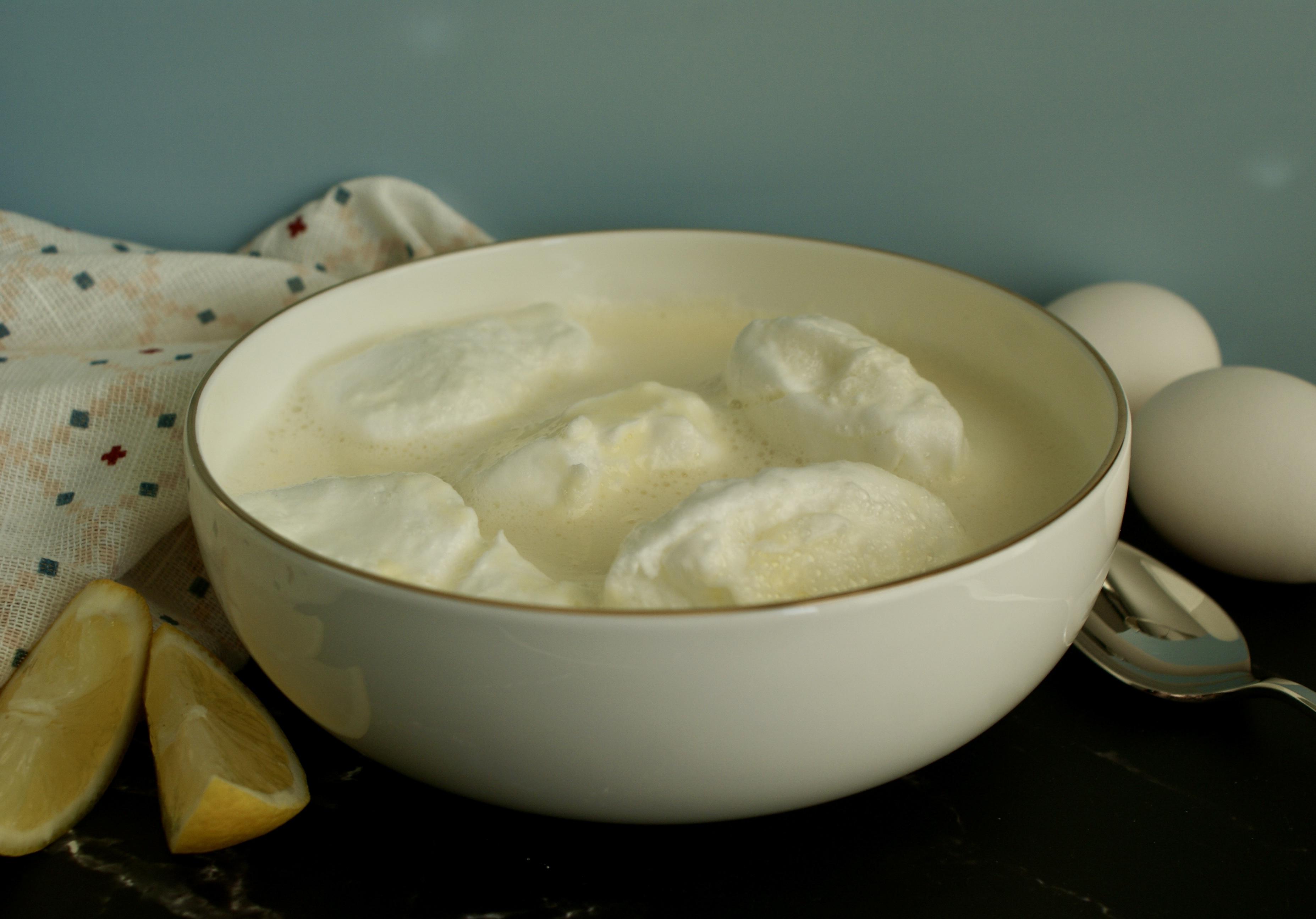
Just Desserts: Floating Island
The History
Pitt Lake is at the northern tip of Pitt Meadows and continues north to the delta of the Upper Pitt River. The Lower Pitt River flows out of the south end of the Lake. Since time immemorial, Katzie First Nation have used the area as part of their traditional unceded territory. The lake was formed by glaciers over 13,000 years ago. The River and Lake was named by the explorer James McMillan after William Pitt, the Earl of Chatham. Later the community nearby took their name (Pitt) from the river.
There was a small community located on Pitt Lake called Alvin. It was settled in the early 1900’s by logger Alvin Thomas Patterson with about 40 people living there at the time. Their post officed opened in October 1915. Most of the community worked in local industries including lumber, farming, and mining. The town was moved 4 miles above the head of Pitt Lake in 1955. Groceries, mail and other items had to be brought in by boat 3 times a week. Unfortunately for Alvin, residents started to move away by the early 1960s. In 1980’s the town was bulldozed. Today, it is known for its forestry and fishing spots.
Of course, no story of Pitt Lake would be complete without mention of Slumach and his lost gold. At one time the most often asked question by researchers at the Museum was “do you know where the lost gold mine is”? Our answer was (and is) “if we knew the answer to that we would all be retired”.
What we do know. In September of 1890, an elderly Katzie First Nation man named Slumach was accused of Louis Bee’s murder on the shores of the Pitt River. The man who was with Bee, Seymour, fled the scene and reported the crime to the police which in turn started the manhunt for Slumach. Was it self-defence that caused Slumach to shoot Bee or something else? Whatever the reason, he was tried and convicted before he was even captured by the police. It was a system that was already stacked against Slumach.
He was apparently cornered at his cabin in the woods before he fled. Police then burned the cabin to the ground and destroyed his canoe to prevent him from returning and fleeing. Perhaps a way to force the elderly man to fend for himself in the woods and inevitably force him out of hiding? By October 1890, a severely emaciated Slumach turned himself in to the police.
The language used around describing Slumach and his villainization to the white colonial audience sealed his fate before he was captured. He was hanged in New Westminster in January of 1891.
Following his death, rumours began to spread about his riches hidden by Pitt Lake. Rumours and the truth don’t make good bedfellows, so the rumours have clouded the history of Slumach. Stories began of an “Indian” who had found lots of gold in the Pitt Lake area, and eventually, those stories latched themselves onto Slumach. Those stories created more stories, of a man paying at bars with raw gold, flaunting his wealth around New Westminster. All while keeping his lips sealed on where he found all this gold.
Are they stories, or is there gold in them hills?
The Cookbook
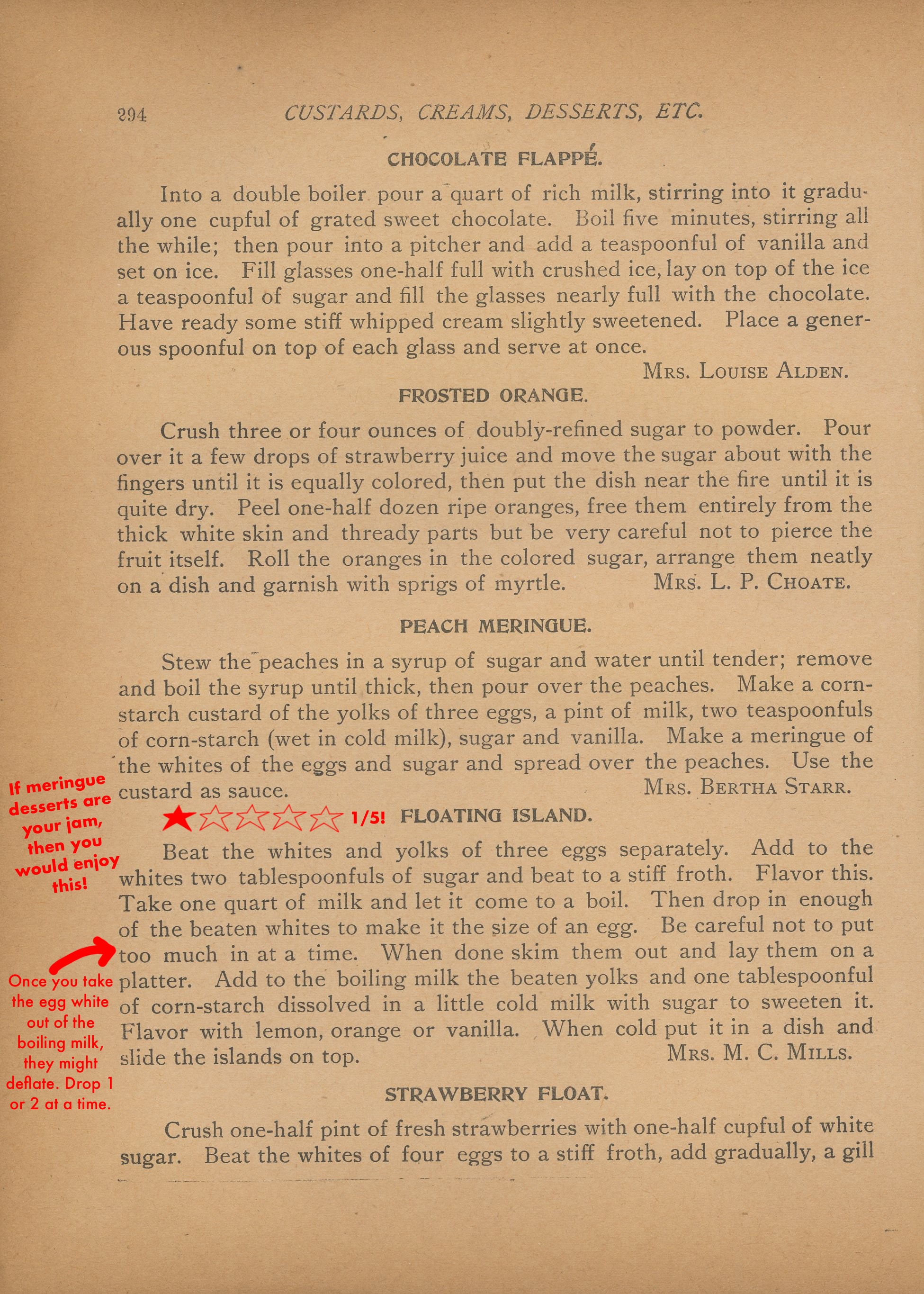
This recipes comes out of our “Canada’s Favorite” (yes, that spelling is correct) cookbook. It was originally published in 1907, it is a favourite of ours and is currently on display in the kitchen area of the Museum. There are other versions of this book, with Canadas favorite being replaced with Womans favorite. This book contains quite a bit more than recipes, it has a first aid section, a cleaning guide, dinner menu ideas, and more!
The Recipe
Perhaps, the least exciting dessert to come out of our Heritage Week recipes. It lacks any "curb appeal" and doesn't make us want to indulge. Since the recipe book is over 100 years old, we wonder if its our modern tastes that make us not want to take a second bite.